In an age where travel has become more accessible than ever before, it’s tempting to choose convenience over complexity, and comfort over curiosity. Travel agencies promise seamless itineraries, five-star stays, and guided tours that take the “guesswork” out of exploring. But the truth is this: you don’t grow when you travel easy—you grow when you travel intentionally.
Growth through travel doesn’t come from ticking destinations off a list or relaxing on a beach for a week. It comes from deep, transformative experiences that challenge your assumptions, expand your worldview, and connect you to people and cultures on a meaningful level. Let’s unpack why intentional travel is not only more fulfilling but also essential for personal growth in today’s globalized world.
What Is Intentional Travel?
Intentional travel is the conscious decision to explore with purpose, awareness, and a deep curiosity. It’s about choosing travel experiences that align with your values, goals, and interests. Whether that means immersing yourself in a new language, living with a host family, working remotely in a foreign country, or simply engaging in cultural exchange—it’s travel that asks something of you.
It’s not about avoiding comfort altogether. Rather, it’s about choosing discomfort when it leads to depth, and prioritizing connection over convenience.
Comfort Zones Don’t Foster Growth
Easy travel keeps you within the boundaries of what you already know. You stay in hotels that speak your language, eat food that resembles what you eat at home, and travel with people who share your background. While these trips may be relaxing, they rarely challenge your worldview or force you to grow emotionally or intellectually.
Real personal development requires stepping into the unknown. When you navigate public transport in a city where you don’t speak the language, or share a meal with someone from a vastly different culture, you’re pushed to adapt, listen, and open your mind. That’s where growth lives—on the edge of discomfort.
Intentional Travel Is Rooted in Curiosity
What drives someone to visit a temple in Kyoto or hike across Patagonia isn’t just the beauty—it’s the desire to learn, to connect, and to be moved. Intentional travel is rooted in active curiosity. You don’t just observe a new culture; you seek to understand it. You don’t just eat local cuisine; you learn its history, its symbolism, and what it reveals about the people who prepared it.
This kind of curiosity cultivates empathy and perspective. You return home not just with souvenirs, but with a deeper appreciation for cultural diversity, human resilience, and the interconnectivity of global issues.
The Role of Self-Discovery
Travel, when done intentionally, is as much a journey inward as it is outward. When you remove yourself from your routine, your job title, and your societal roles, you’re left with yourself—your thoughts, fears, habits, and desires. That level of self-awareness is difficult to achieve in your everyday environment.
Intentional travel gives you space to reflect. It offers clarity on who you are, what matters to you, and where you want to go—not just geographically, but in life. You realize how little you need to be happy, how vast the world is, and how capable you truly are.
Building Deeper Human Connections
When you travel with intention, you prioritize human connection over tourist attractions. You take time to talk to locals, listen to their stories, understand their struggles, and celebrate their joys. You don’t just take pictures of their lives—you participate in them, if only for a brief moment.
These interactions teach you empathy, humility, and gratitude. They remind you that no matter where we come from, we all share the same hopes, fears, and dreams. That connection is what gives travel its true power—not the sights, but the people.
Technology Can Assist, But Shouldn’t Replace Intentionality
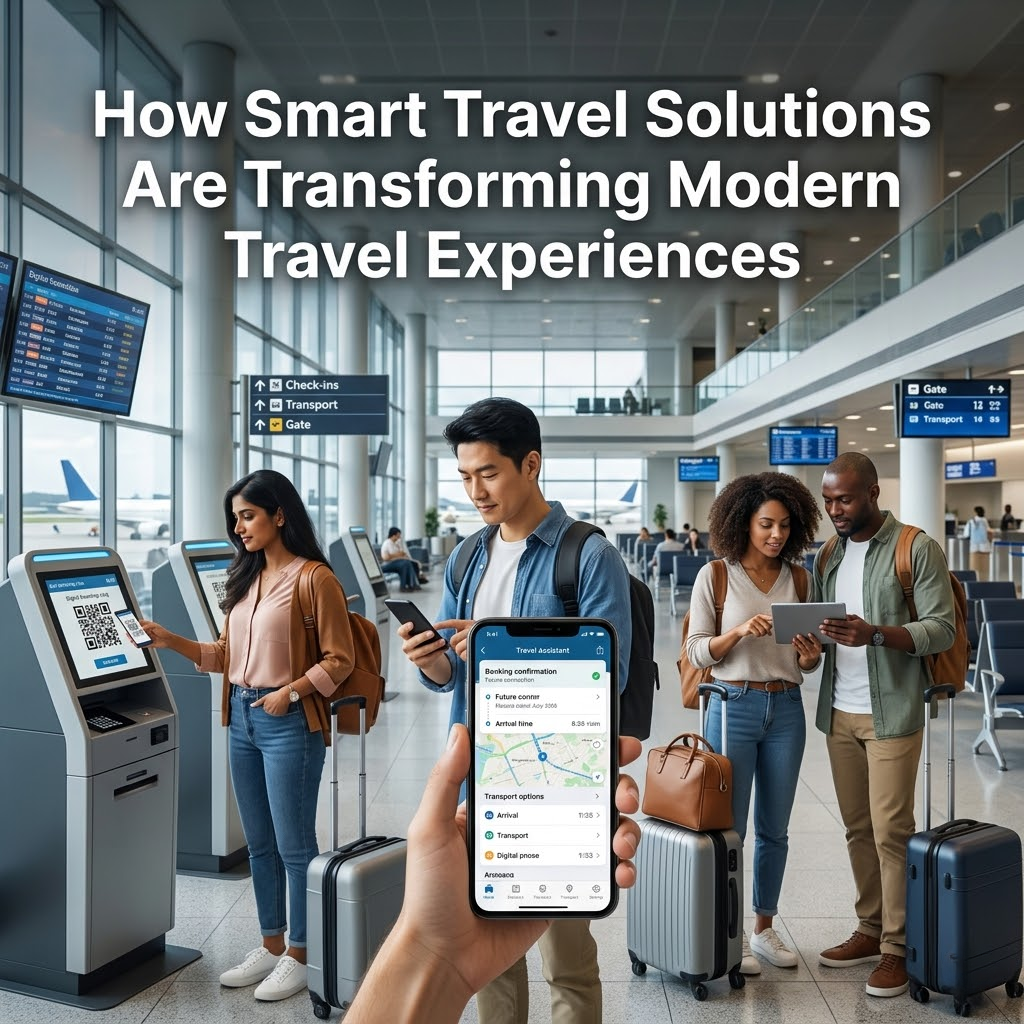
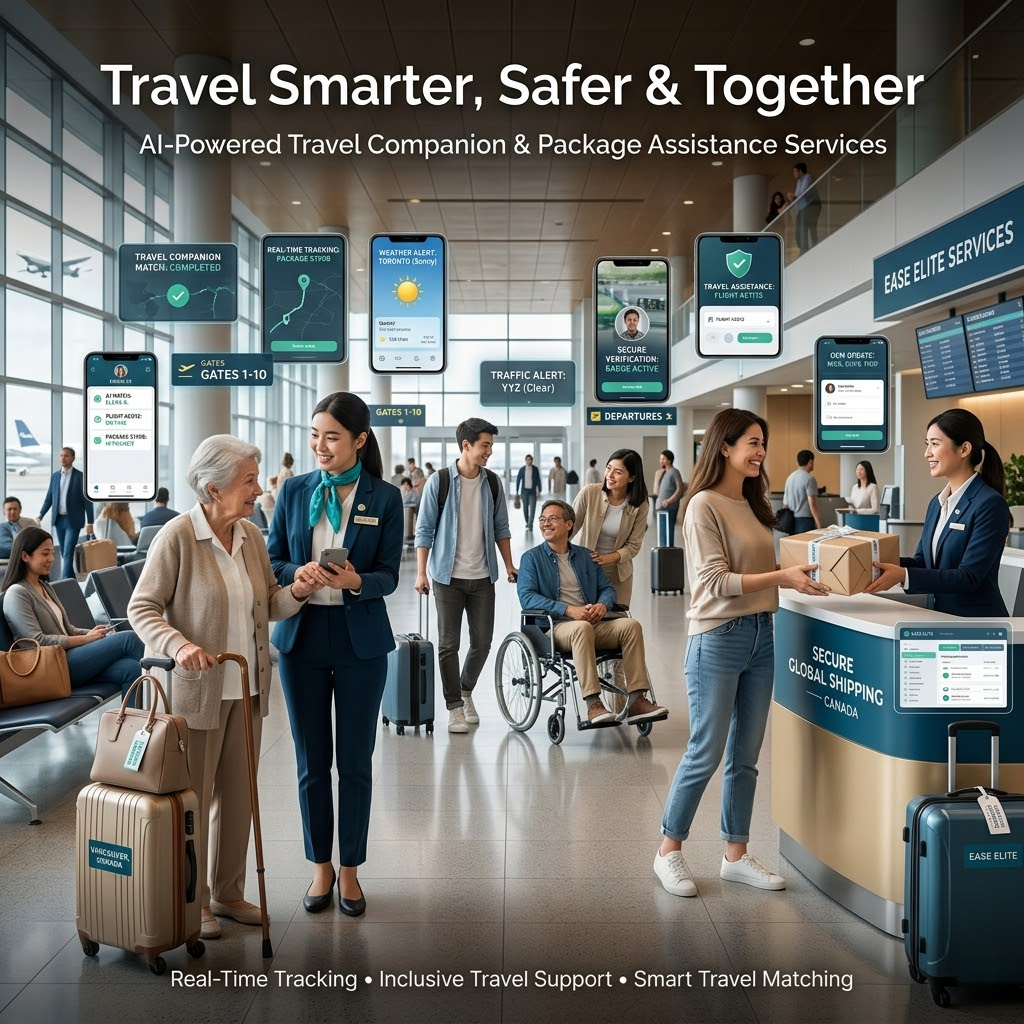
Modern travel tech, like smart itineraries and AI-driven recommendations, can enhance your journey—but they shouldn’t dictate it. Tools like Ease Elite can support intentional travel by helping you find culturally compatible companions or suggesting experiences aligned with your values. But the choice to be present, to be curious, and to be respectful—that’s yours.
Technology should be a bridge, not a barrier. It should help eliminate friction while still leaving room for discovery and serendipity.
Examples of Intentional Travel in Practice
-
Volunteering Abroad: Choosing to spend part of your trip helping at a local school or community project allows you to give back and understand local challenges.
-
Learning-Based Trips: Attending a cultural workshop, cooking class, or language immersion program fosters deeper understanding.
-
Slow Travel: Instead of rushing through 10 cities in 5 days, spend more time in one place. Live like a local. Build relationships. Let the culture seep into your daily routine.
-
Sustainable & Ethical Travel: Being conscious of your environmental footprint, supporting local artisans, and choosing eco-friendly accommodations reflect intentionality.
-
Solo Reflection Journeys: Taking time to disconnect and journal, meditate, or simply observe can reveal a lot about your inner world.
How Ease Elite Can Help You Travel With Intention
Ease Elite isn’t just a travel tool—it’s a companion in your journey to more purposeful exploration. Whether you’re traveling for self-growth, cultural connection, or global perspective, Ease Elite helps by:
-
Matching you with compatible travel companions who align with your values and interests
-
Suggesting meaningful experiences based on your goals, not just popularity
-
Providing real-time local insights so you can engage with your destination respectfully and authentically
-
Keeping your journey safe while you push boundaries and step out of your comfort zone
With Ease Elite, intentionality is designed into the experience—giving you the freedom to grow, reflect, and transform with every trip.
Final Thoughts
Travel has the power to be transformative—but only if you let it. Easy travel may be comfortable, but it’s in intentional, purpose-driven exploration where true growth happens. It’s in navigating unfamiliar streets, speaking broken versions of new languages, and connecting with strangers who become lifelong friends.
So the next time you plan a trip, ask yourself: Are you traveling to escape—or to evolve?
Because you don’t grow when you travel easy.
You grow when you travel intentionally.